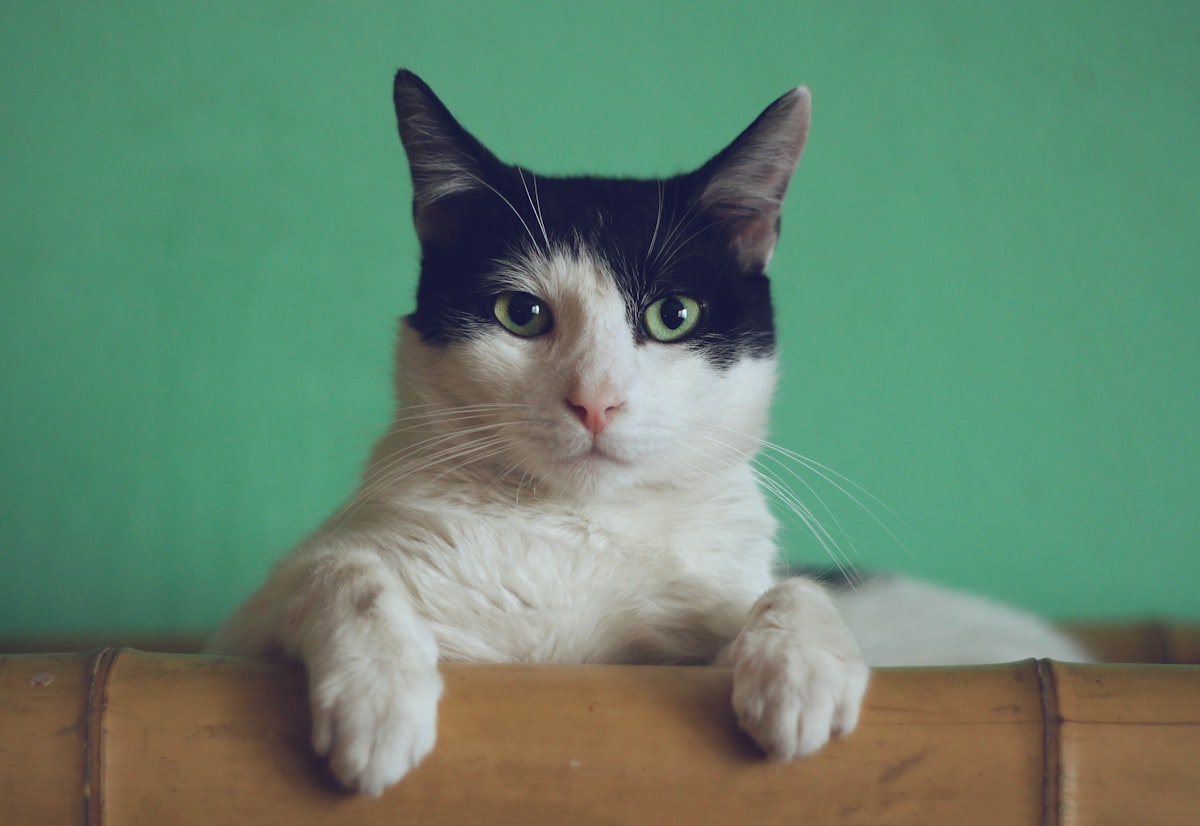
From the European cat (773,181 identifications) to the French Chartreux, discover characteristics, prices, and practical advice.
Complete guide for future adopters with FAQ, trends, and selection tools.
Definition and Context of French Feline Preferences
In 2025, France has more than 15 million domestic cats, making the cat the most common pet in French households. This popularity is explained by their natural independence, remarkable adaptability, and discreet yet genuine companionship.
The ranking of preferred breeds is based on official I-CAD identification data (Identification of Domestic Carnivores), statistics from the LOOF (Official Book of Feline Origins), and sector surveys conducted by the FACCO (Federation of Manufacturers of Food for Dogs, Cats, Birds). These reference organizations provide a reliable overview of national preferences.
The evolution of mindsets today favors a more thoughtful adoption, where future owners are better informed about the characteristics, specific needs, and associated costs of each breed before making their final choice.
Importance and Stakes of Breed Choice
Choosing the breed of your future cat is not a trivial decision. This selection directly influences the family budget (from free adoption to 3,000€ for certain lineages), the daily availability required (grooming, play, social interaction), and the home arrangements.
Key point: An unsuitable breed for the family lifestyle can lead to abandonment. In France, nearly 100,000 animals are abandoned each year according to the SPA.
The enthusiasm for certain breeds also influences:
- The breeding market and genetic selection
- Specialized veterinary needs (specific hereditary diseases)
- The accessory industry (special brushes, adapted cat trees)
- Awareness campaigns for responsible adoption
Understanding these issues allows professionals (breeders, veterinarians, shelters) to adapt their offerings and advice to the real needs of French families.
Key Statistics and Figures 2025
The 2025 data reveal marked trends in French feline preferences:
| Rank | Breed | Identifications 2024 | Change vs 2023 | Average Price (€) | Main Characteristic |
|---|---|---|---|---|---|
| 1 | European Cat | 773,181 | +2.3% | Adoption/Free | Robust and independent |
| 2 | Maine Coon | 40,219 | +8.7% | 1400 – 3000 | Gentle giant and sociable |
| 3 | Sacred Birman | 10,182 | +5.2% | 1000 – 1400 | Blue eyes and calm temperament |
| 4 | Siamese | ~10,200 | +1.8% | 800 – 1500 | Talkative and elegant |
| 5 | Persian | ~8,600 | -1.2% | 800 – 2000 | Majestic long hair |
| 6 | Ragdoll | ~7,000 | +12.4% | 900 – 1800 | Docile like a plush toy |
| 7 | British Shorthair | ~6,500 | +3.1% | 800 – 1500 | Round silhouette and calm |
| 8 | Bengal | ~6,000 | +6.9% | 1200 – 3000 | Wild spotted coat |
| 9 | Siberian | ~5,500 | +15.3% | 900 – 1600 | Hypoallergenic and robust |
| 10 | Chartreux | ~5,000 | +0.7% | 800 – 1400 | French breed with orange eyes |
Sources: I-CAD, LOOF, FACCO-Odoxa 2024-2025, Le Figaro Animaux, sector surveys
Detailed Ranking: The Illustrated Top 10
🥇 1st place: European Cat (Moggy)

The undisputed champion with 773,181 identifications, the European cat – more commonly called “moggy” – seduces with its legendary hardiness, the infinite variety of its coats, and its authentically feline character: independent yet affectionate.
Its major assets:
- Accessible adoption: available free in all shelters
- Robust health: fewer genetic diseases than selected breeds
- Balanced character: neither too clingy nor too distant
- Adaptability: adjusts to all environments
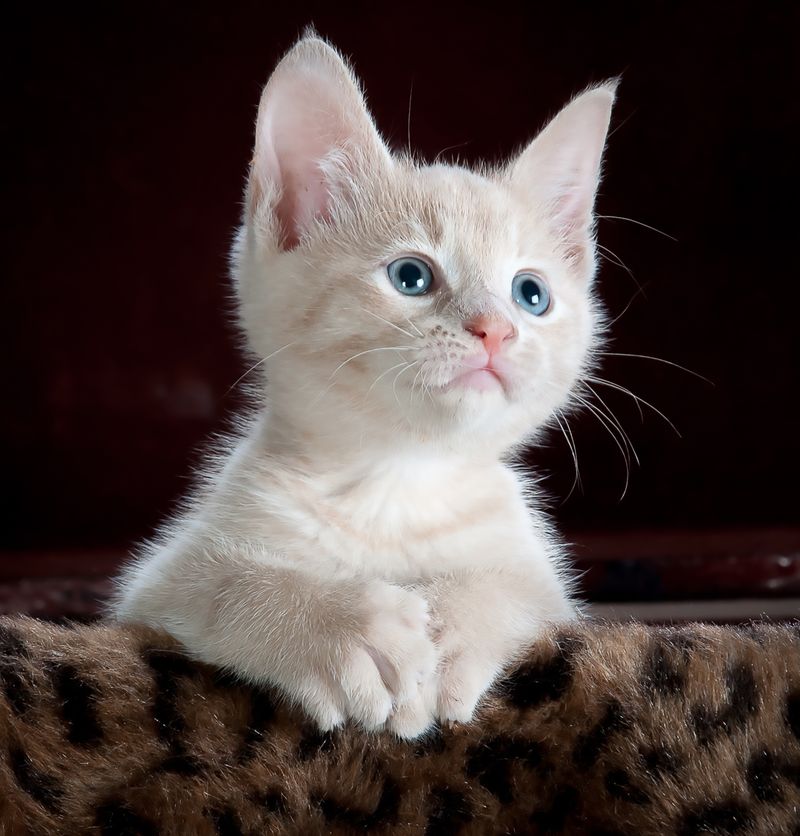
🥈 2nd place: Maine Coon
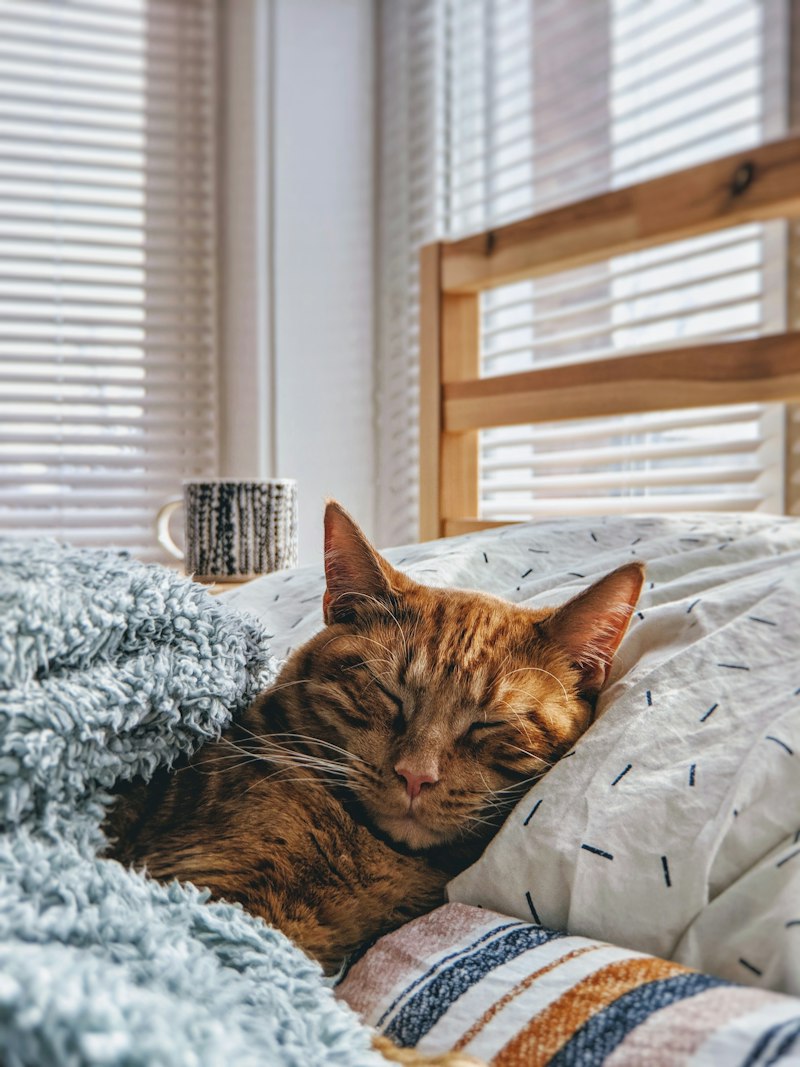
With 40,219 identifications and a growth of +8.7%, the Maine Coon confirms its status as the “gentle giant” of the feline world. This American breed impresses with its large size (up to 10 kg for males) and exceptionally gentle temperament.
Why it appeals:
- Spectacular size: largest domestic cat in the world
- Remarkable sociability: excellent with children and other animals
- High intelligence: easily learns tricks and commands
- Magnificent coat: long, dense, and weather-resistant
🥉 3rd place: Sacred Birman
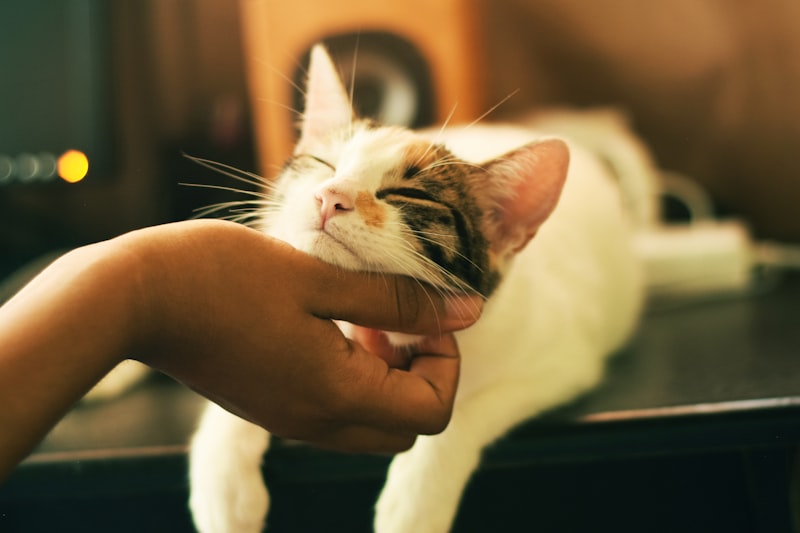
The Sacred Birman holds its 3rd position with 10,182 identifications. This breed of mysterious origin (legends of Burmese temples) charms with its deep sapphire blue eyes and remarkably gentle temperament.
Its unique characteristics:
- Colourpoint coloration: light body, dark extremities
- White gloves: perfectly white feet, very typical
- Zen temperament: calm, patient, perfect for apartments
- Measured sociability: affectionate without being intrusive
4th place: Siamese
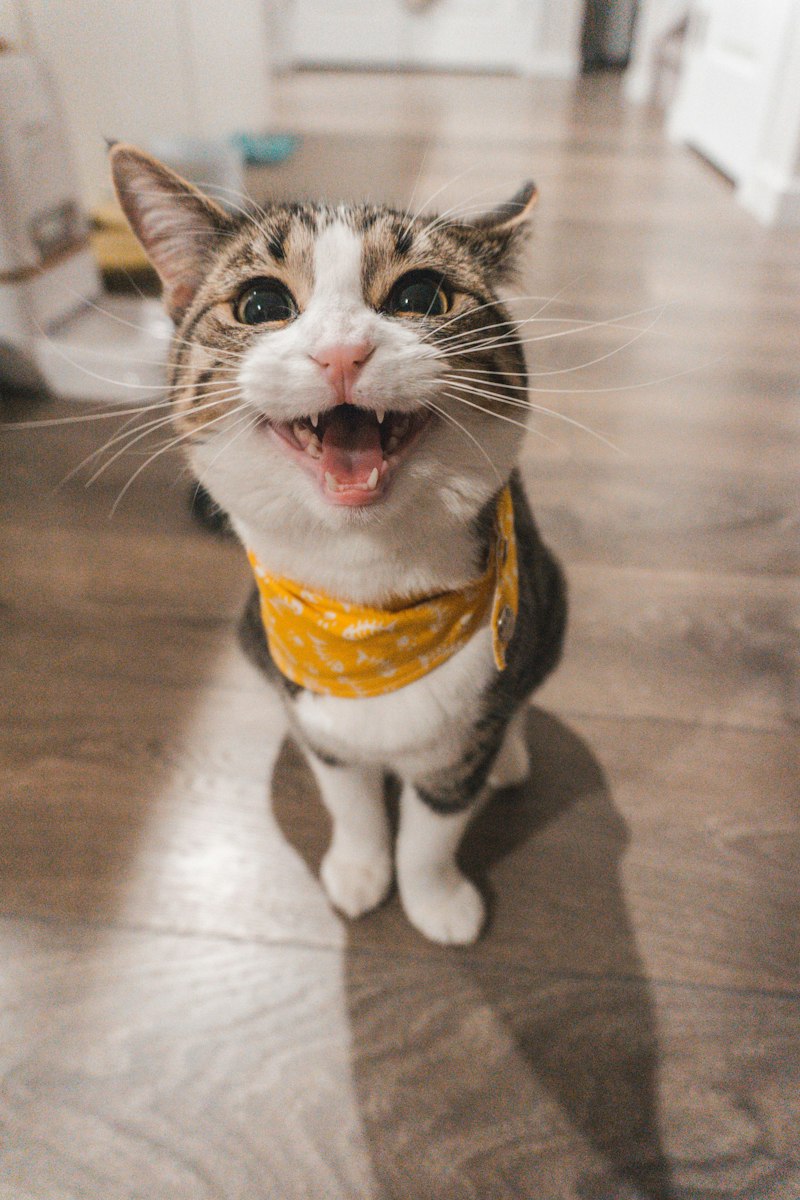
Eternal in the hearts of the French, the Siamese maintains its popularity with about 10,200 identifications. This ancestral Thai breed stands out for its oriental elegance and unique extroverted personality.
The talking cat:
- Vocal communication: varied meows, a true “conversation”
- Remarkable intelligence: understands family routines
- Strong attachment: often chooses a reference human
- Striking beauty: sculpted silhouette, electric blue eyes
5th place: Persian
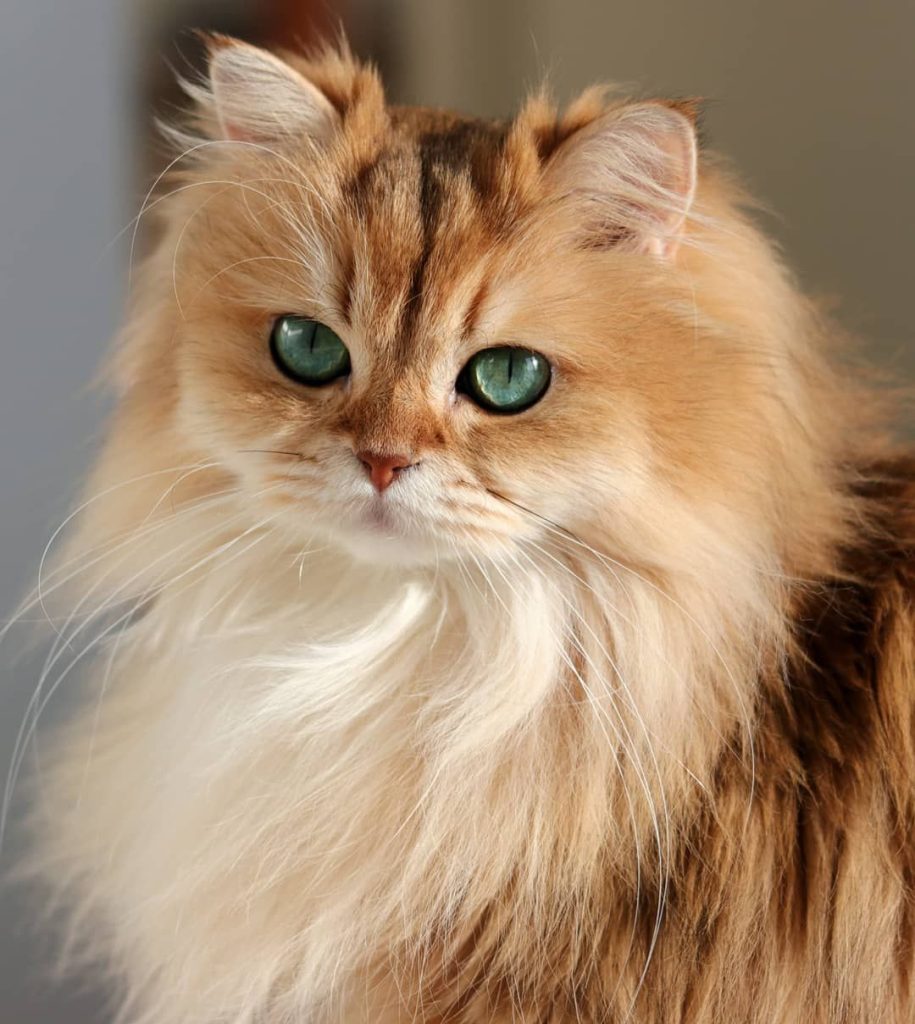
With about 8,600 identifications, the Persian experiences a slight decline (-1.2%) but remains appreciated for its salon cat appearance and natural presence. This Iranian breed embodies feline aristocracy.
The long-haired aristocrat:
- Sumptuous coat: long, dense, requires daily brushing
- Phlegmatic temperament: calm, composed, contemplative
- Color varieties: from solid to colourpoint
- Urban adaptation: perfect apartment cat
6th place: Ragdoll
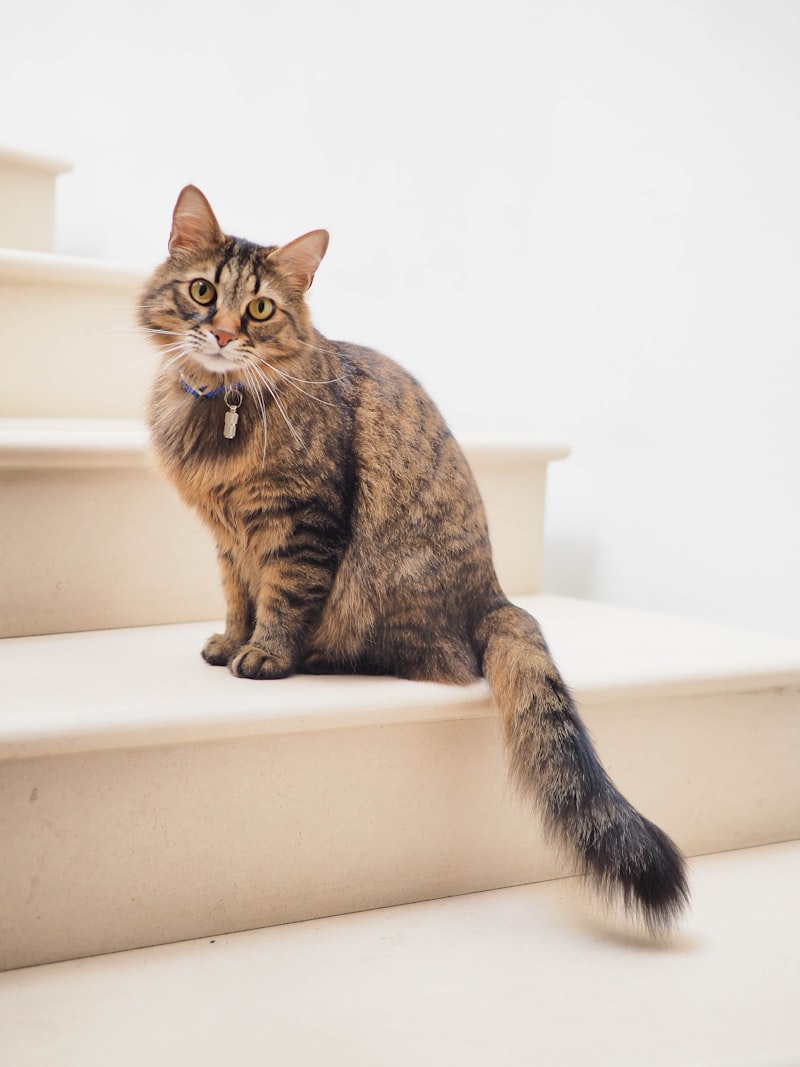
Great progress for the Ragdoll with +12.4% increase and about 7,000 identifications. This recent Californian breed (1960s) seduces with its exceptional docility and “rag doll” behavior.
The living plush toy:
- Legendary docility: allows handling without resistance
- Imposing size: can reach 9 kg
- Medium-length coat: silky, fewer knots than other breeds
- Family temperament: excellent with young children
7th place: British Shorthair
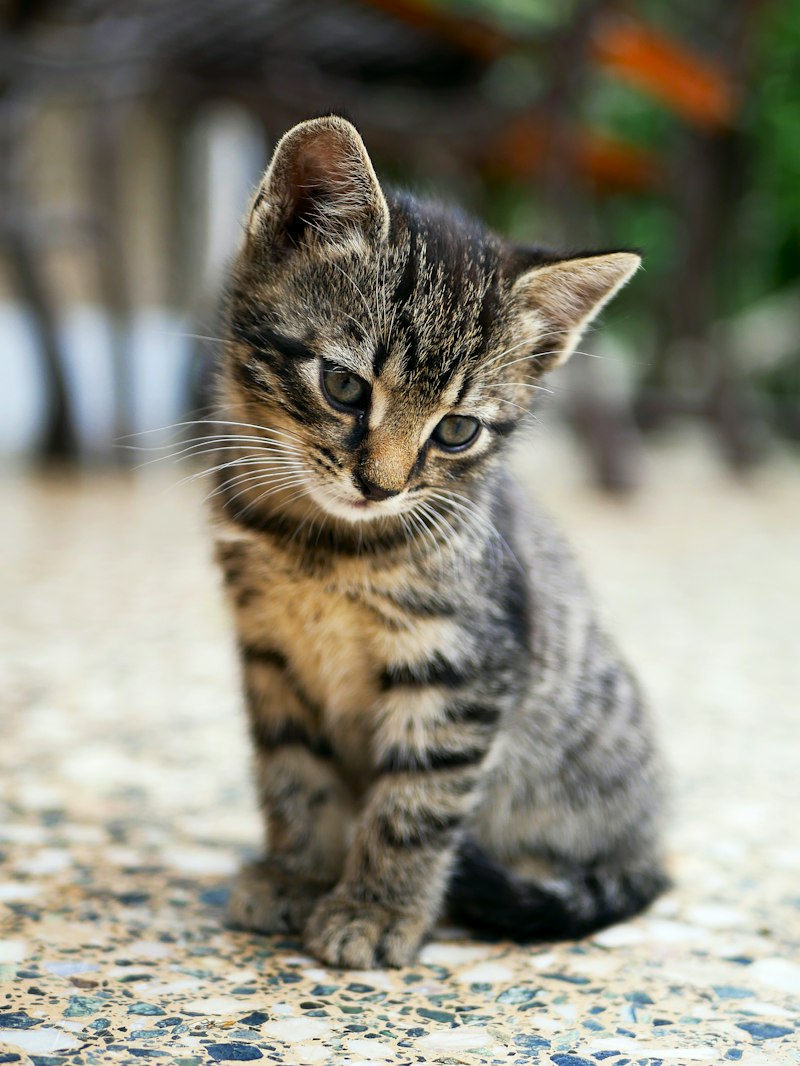
The British Shorthair progresses with 6,500 identifications (+3.1%). This iconic British breed, popularized by the Cheshire Cat from Alice in Wonderland, embodies the feline zen attitude.
British composure:
- Round silhouette: compact body, spherical head
- Dense coat: short but very thick, “plush” effect
- Peaceful character: neither clingy nor distant, balanced
- Longevity: high life expectancy (15-17 years)
8th place: Bengal
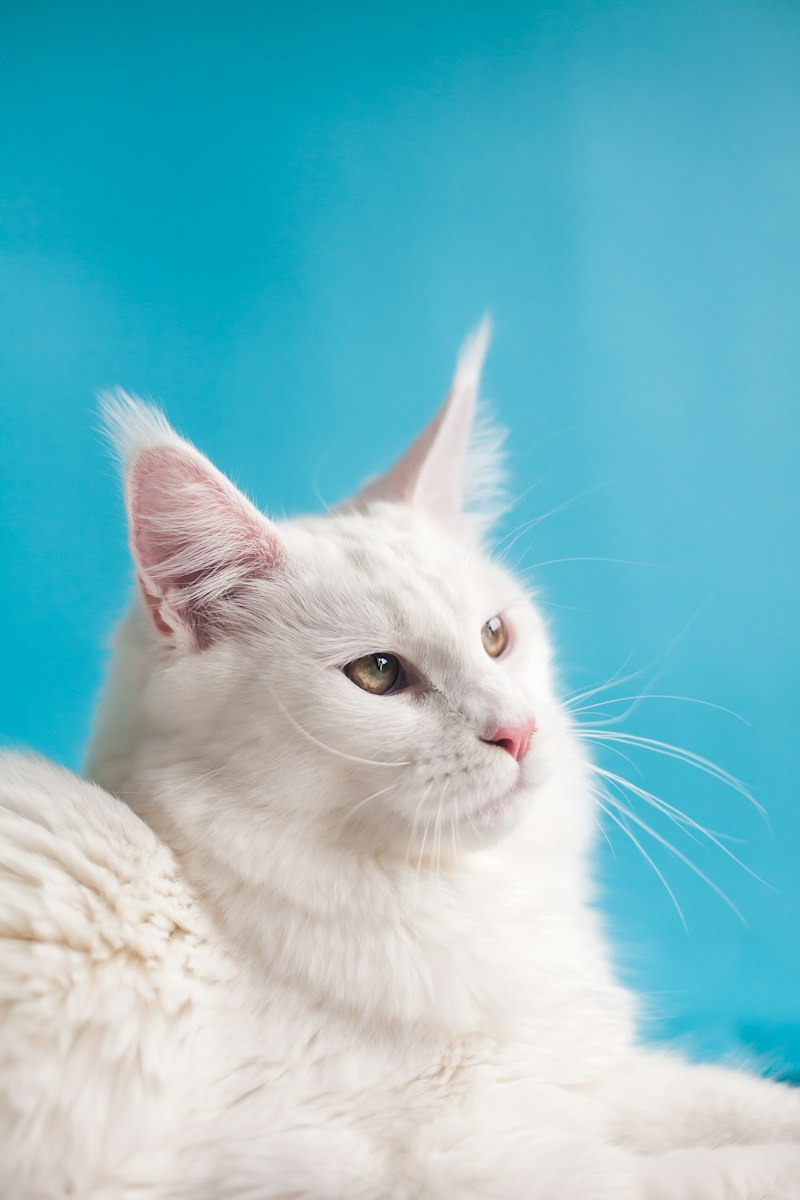
The Bengal gains popularity with 6,000 identifications and growth of +6.9%. This hybrid breed (domestic cat x Asian leopard cat) brings a wild air into adventurous French homes.
The domestic wildcat:
- Spectacular coat: rosettes or leopard marbling
- Overflowing energy: needs space and stimulation
- Sharp intelligence: solves problems, opens doors
- Remarkable agility: excellent climber and jumper
9th place: Siberian
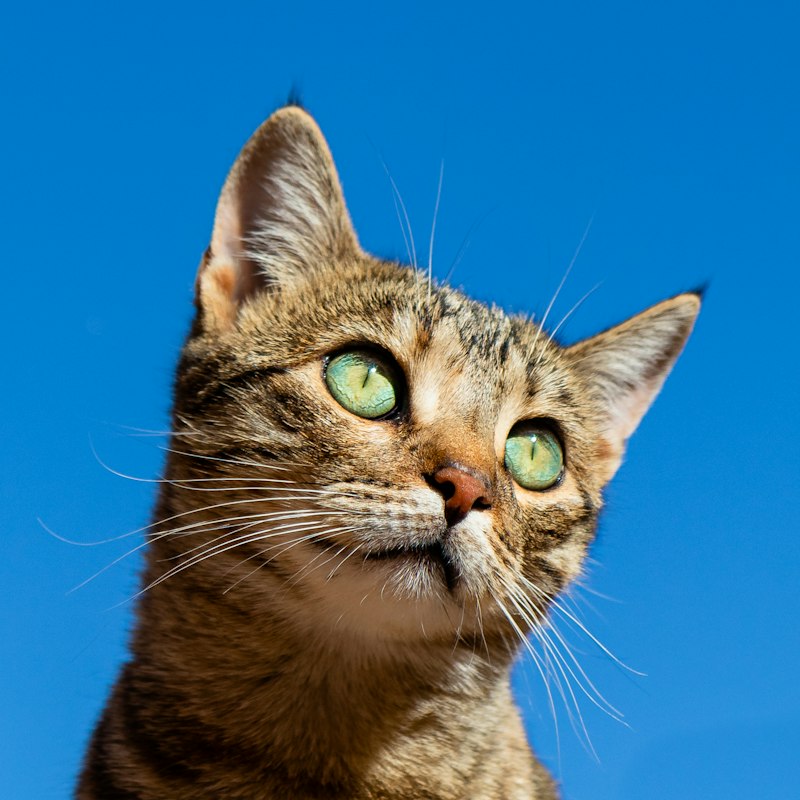
Strong progress for the Siberian with +15.3% and 5,500 identifications. This ancient Russian breed particularly attracts allergic people thanks to its recognized hypoallergenic properties.
The Russian teddy bear:
- Hypoallergenic: reduced production of Fel d1 protein
- Triple coat: dense undercoat, extreme cold resistance
- Legendary robustness: iron health, remarkable adaptability
- Balanced character: playful but not hyperactive
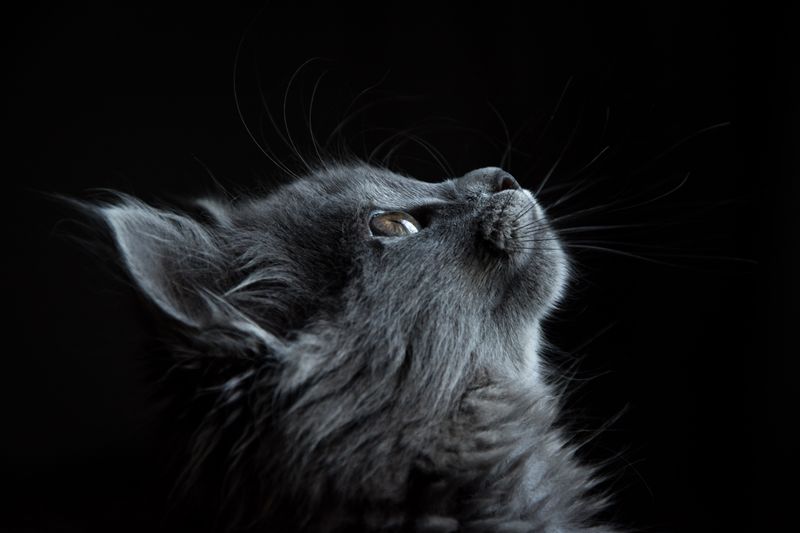
10th place: Chartreux
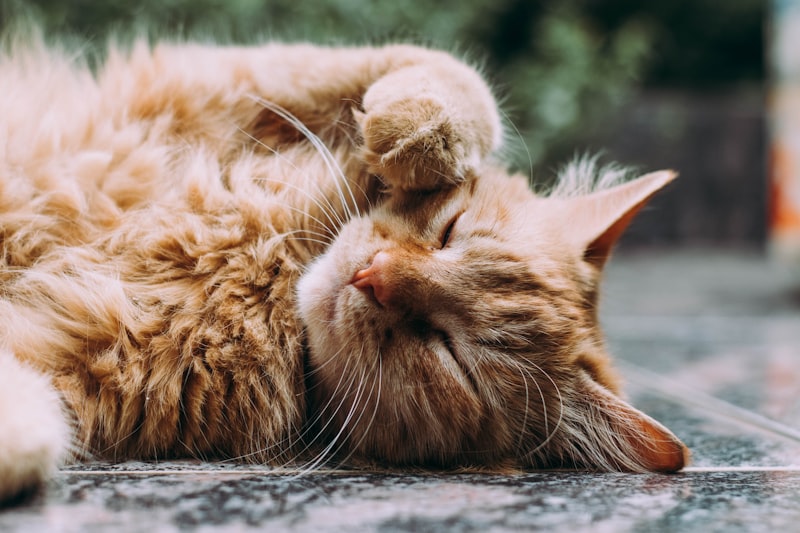
The Chartreux closes this top 10 with 5,000 identifications. This 100% French breed, mentioned since the 16th century, represents authentic French feline heritage with its unique blue-gray coat and copper eyes.
French feline heritage:
- Unique blue coat: uniform gray-blue, very dense
- Copper eyes: gold to orange, striking contrast
- Discreet temperament: present without being intrusive
- French history: raised by Carthusian monks
Advantages and Disadvantages by Breed Category
Robust breeds (European, Siberian, Chartreux)
✅ Advantages
- Strong health and high longevity
- Easy adaptation to changes
- Reduced veterinary costs
- Balanced and authentic character
❌ Points to watch
- Less “spectacular” appearance
- Sometimes unpredictable character (European)
- Heavy shedding (Siberian)
Giant breeds (Maine Coon, Ragdoll)
✅ Advantages
- Impressive presence and stature
- Gentle and family-friendly temperament
- High intelligence and sociability
- Excellent with children
❌ Points to watch
- Significant food budget
- Needs sufficient space
- Regular grooming mandatory
- Slow growth (3-4 years to reach adult size)
Long-haired breeds (Persian, Birman)
✅ Advantages
- Exceptional beauty and elegance
- Calm and composed temperament
- Excellent apartment cats
- Soothing presence
❌ Points to watch
- Daily brushing indispensable
- Risk of knots and mats
- Regular professional grooming
- Sensitivity to temperature changes
Active breeds (Bengal, Siamese)
✅ Advantages
- Remarkable intelligence
- Rich interaction with owners
- Marked and endearing personality
- High learning abilities
❌ Points to watch
- Constant need for stimulation
- Can become destructive if neglected
- Significant vocalization (Siamese)
- Requires experienced owners
Expert advice: The choice of a breed must always be adapted to your real lifestyle, not your aspirations. A magnificent Bengal frustrated by lack of stimulation can develop behavioral problems.
Practical Examples and Case Studies
Case #1: Urban family with children (70m² apartment)
Profile: Couple with 2 children (8 and 12 years old), Parisian apartment, budget 1200€, first adoption.
Recommendation: Ragdoll or Maine Coon
Justification: Perfect family temperament, patience with children, sufficient size to avoid rough handling, non-territorial character with other possible animals.
Case #2: Elderly person in a house (Active retiree)
Profile: 68-year-old lady, house with garden, seeks company without constraints, flexible budget.
Recommendation: Chartreux or British Shorthair
Justification: Discreet but real presence, minimal maintenance, robust health, independent character compatible with outings.
Case #3: Young allergic couple (Modern apartment)
Profile: 28-32 years old, mild cat allergies, partial remote work, budget 1500€.
Recommendation: Siberian
Justification: Recognized hypoallergenic properties, sociable but not clingy temperament, perfect adaptation to modern life.
Case #4: Student in residence (Tight budget)
Profile: 22-year-old student, small accommodation, limited budget, needs company.
Recommendation: European Cat via adoption
Justification: Zero acquisition cost, robustness, adaptability, authentic character, many choices in student shelters.
Tools and Solutions to Choose Your Cat Well
Official Reference Sites
- LOOF: breed standards, approved breeders, genetic advice
- FACCO: sector statistics, market studies
- I-CAD: mandatory identification, lost pet search
Responsible Adoption Platforms
- SPA France: 63 shelters, 40,000 adoptions/year
- 30 Millions d’Amis: national network, expert advice
- Pet Alert: community platform, many offers
- Seconde Chance: specialized shelters and associations
Applications and Digital Tools
- Budget calculators: SantéVet Budget, Assur O’Poils
- Compatibility tests: FACCO questionnaires, Zooplus guides
- Health tracking apps: 11pets, PetDesk, Digital health record
- Insurance comparators: LesFurets, ComparAssur, Hyperassur
Specialized Professional Services
| Service | Average Price | Frequency | Usefulness |
|---|---|---|---|
| Behavioral consultation | 80-120€ | One-time | Breed choice, adaptation problems |
| Professional grooming | 35-70€ | 2-4 times/year | Long-haired breeds |
| Allergy test (doctor) | 150-300€ | Once | Confirmation before adoption |
| Complete health check | 100-180€ | Annual | Preventive follow-up, sensitive breeds |
Money-saving tip: Veterinary schools often offer consultations at reduced rates (30-40% cheaper) conducted by students supervised by experienced professionals.
Future Trends and Evolutions (2025-2030)
Expected Demographic Evolutions
Sector projections indicate several major trends for the next 5 years:
- Growth of the “giant” market: Maine Coon and Ragdoll populations expected to double
- Explosion of hypoallergenic breeds: Siberian leading, development of Sphynx
- Stabilization of the European cat: plateau expected around 800,000 identifications
- Emergence of new breeds: Selkirk Rex, Toyger, Turkish Van gaining ground
Impactful Technological Innovations
Societal and Regulatory Evolutions
The French feline sector adapts to new societal expectations:
- Tightened regulations: mandatory identification before 7 weeks, strengthened breeding controls
- Abandonment awareness: national campaigns, “responsible adoption voucher”
- Animal welfare: stricter breeding standards, ban on certain extreme selections
- Sustainable development: organic food, eco-responsible accessories
Projected Economic Impact
The cat market currently represents 2.4 billion euros in France and should reach 3.2 billion by 2030, driven by:
- Increase in premium services (insurance, boarding, grooming)
- Upgrading of food (organic, custom-made)
- Growth of connected technologies
- Development of veterinary telemedicine
Outlook: By 2030, it is estimated that one in three French cats will be equipped with at least one connected accessory (GPS chip, smart feeder, or health sensor).
Frequently Asked Questions (FAQ)
What exactly is the European cat?
The European cat, commonly called “moggy,” refers to all domestic cats without recognized pedigree. It represents the natural crossbreeding of different lineages over several generations, resulting in maximum genetic diversity and exceptional robustness. It is the most adopted “breed” because it is freely available in all French shelters.
Are pedigree cats really more fragile than moggies?
Not necessarily, but some breeds have specific genetic predispositions due to selection. For example, the Persian may have respiratory problems (flat face), the Maine Coon cardiac risks (hypertrophic cardiomyopathy). However, serious breeders perform genetic tests and exclude breeders carrying hereditary diseases.
Which breeds are really suitable for allergic people?
The Siberian is the reference with reduced production of Fel d1 protein (main allergen). The Sphynx (hairless) limits allergen dispersion. However, no breed is 100% hypoallergenic. It is essential to spend several hours with the chosen cat before adoption and consult an allergist if necessary.
What real budget should be planned for a pedigree cat?
Acquisition cost varies from 800€ to 3000€ depending on breed and lineage. But the annual budget (food, vet, insurance, accessories) represents 600€ to 1200€ per year. Long-haired breeds add 200-400€/year for grooming. Also plan a 1500€ emergency fund for unexpected care.
How to recognize a serious breeder?
A reliable breeder systematically presents: SIRET number, LOOF affix, genetic tests of breeders, up-to-date vaccination record, chip/tattoo identification, possibility to visit the breeding, presentation of parents, detailed sales contract with guarantees. Beware of abnormally low prices or “exceptional” discounts.
Can you adopt a pedigree cat in a shelter?
Absolutely! Shelters regularly receive pedigree cats (abandonments, owner death, developed allergies). The SPA estimates that 15-20% of cats it takes in are recognized breeds. Adoption remains accessible (150-300€ including sterilization, vaccines, identification) with the same health guarantees.
What evolutions to expect for popular cats in 2026?
Trends confirm the growth of giant breeds (Maine Coon, Ragdoll), the rise of hypoallergenic cats (Siberian), and the emergence of new breeds like Turkish Van or Selkirk Rex. Responsible adoption through shelters should also progress thanks to national awareness campaigns.
Conclusion and Future Perspectives
The 2025 ranking of the French’s favorite cats reveals a remarkable maturity of the French feline market. From the indomitable European cat to specialized breeds like the hypoallergenic Siberian, every family today finds the companion that matches their specific expectations.
This diversification reflects the positive evolution of mindsets: adoption is becoming increasingly thoughtful, documented, and responsible. Future owners are better informed about needs, costs, and characteristics before choosing their four-legged companion.
Key takeaway: No breed is universally “better” than another. The ideal cat is the one whose temperament, needs, and characteristics perfectly harmonize with your real lifestyle.
For a successful adoption, always prioritize:
- Objective evaluation of your constraints (time, budget, space, family)
- Prior meeting with the animal in its current environment
- Expert advice (veterinarians, recognized breeders, associations)
- Responsible adoption favoring shelters and certified organizations
Choosing a cat marks the beginning of a 12 to 18-year adventure. Take the necessary time for this decision that will enrich your family daily life sustainably. Happy adoption to all!