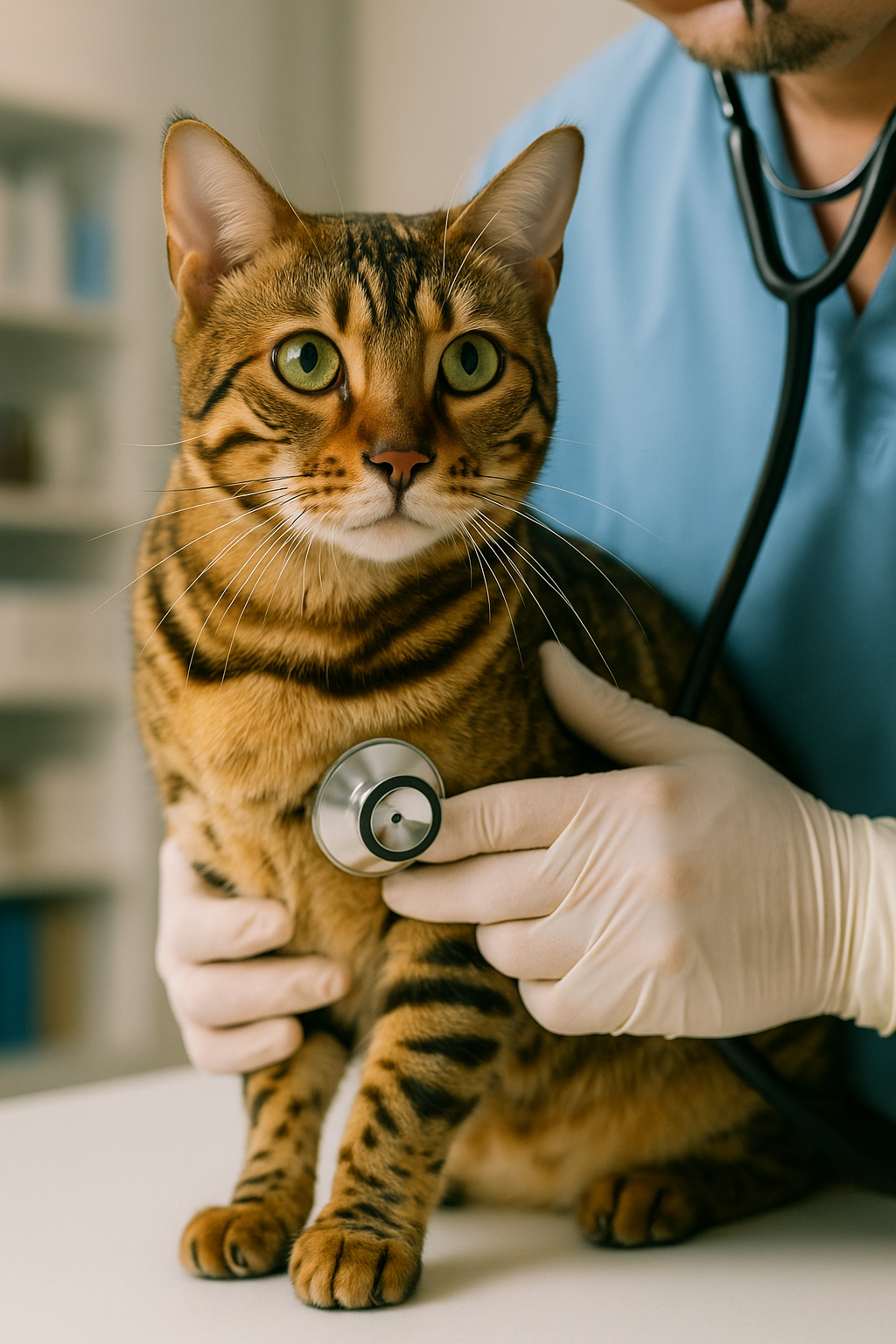
Bengal Health: Prevention, Diagnosis, and Treatment
The Bengal Cat, descendant of the Asian leopard cat, exhibits exceptional vitality and a lifespan of 12 to 16 years when given proper care. To preserve its well-being, it is crucial to anticipate potential diseases, establish rigorous veterinary monitoring, and adopt an optimized lifestyle. This article details essential health check-ups, common illnesses, prevention, grooming, and specific nutrition to ensure your Bengal enjoys robust health.
1. Periodic Veterinary Check-up
Regular monitoring is the key to a long and healthy life:
- Biannual visit for adults (1–8 years): comprehensive clinical examination, weight, temperature, cardiac and pulmonary auscultation.
- Quarterly visit for kittens (< 1 year) and seniors (> 8 years): blood tests (complete blood count, biochemistry), urine analysis, cardiac ultrasound.
- Vaccinations: typhus, coryza, feline leukemia (RCP/L), annual booster. A protocol adapted according to lifestyle (indoor vs outdoor).
- Identification: microchip or tattoo, registration in the national database to facilitate return in case of escape.
2. Common Diseases and Screening
Despite its robustness, the Bengal may be prone to:
- Hypertrophic cardiomyopathy (HCM): common genetic disease. Screening by echocardiography from 2 years old, then every 2–3 years.
- Chronic kidney failure: screening by measuring creatinine, urea, and SDMA in the blood. Semi-annual urine analysis to monitor urinary concentration.
- Renal amyloidosis: uncommon but serious. Monitoring kidney function and blood pressure.
- Parasitoses: fleas, ticks (monthly spot-on treatment), intestinal worms (deworming at least every 3 months).
- Joint disorders: to be monitored in older cats. X-rays and supplementation with chondroprotectors if necessary.
3. Prevention and Lifestyle Hygiene
To limit risks:
- Appropriate diet (see Bengal Feeding and Nutrition): prioritize animal proteins, limit carbohydrates.
- Daily activity: agility courses, interactive games, water fountain to encourage hydration.
- Grooming: weekly brushing to reduce hairballs and check skin condition.
- Dental care: brushing twice a week or dental treats to prevent tartar and gingivitis.
- Healthy environment: clean litter, quiet resting area, absence of toxic plants.
4. Nutrition and Health Supplements
Good nutrition is a pillar of health:
- Proteins: 40–50% of the ration to maintain muscle mass.
- Omega-3: fish oil for skin, coat, and inflammation.
- Probiotics: support intestinal flora, especially after antibiotic treatments.
- Chondroprotectors: glucosamine and chondroitin for seniors.
- Antioxidants (vitamins E, C): reduce oxidative stress.
5. Emergency Actions
Recognize signs requiring veterinary emergency:
- Persistent vomiting or diarrhea (> 24 h).
- Labored breathing, coughing, or panting.
- Acute limping, reported pain, or lethargy.
- Suspected ingestion of a foreign body.
- Trauma (fall, crushing).
Always keep your on-call veterinarian’s number and the address of the nearest clinic.
6. Frequently Asked Questions (FAQ)
Q1. At what age should HCM be screened?
First screening at 2 years, then check-ups every 2 to 3 years. Early ultrasound assessment allows rapid management.
Q2. My Bengal drinks a lot, is this worrying?
Consumption > 60 ml/kg/day may indicate early kidney failure or diabetes. Consult your veterinarian for blood and urine tests.
Q3. What are warning signs for kidney failure?
Excessive thirst, frequent urination, weight loss, bad breath. A kidney panel (creatinine, urea) is then necessary.
Q4. Can I bathe my Bengal?
Bengals dislike water. If necessary, use dry shampoo or an exceptional bath (max once a month) with a gentle shampoo suitable for cats.
Q5. How to prevent obesity?
Combine measured ration (3–4% of body weight) and daily play to burn energy. Weigh your cat monthly and adjust food quantity accordingly.